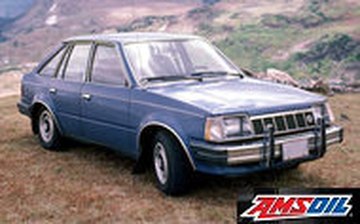
Engine Lubrication and Maintenance for the 1982 Mercury Lynx 1.6L
Maintaining a vehicle from the early 1980s requires a shift in perspective compared to modern automotive care. For the 1982 Mercury Lynx equipped with the 1.6L engine, consistent attention to lubrication and fluid integrity is a fundamental aspect of long-term ownership. Because mechanical components age at different rates depending on usage and environmental exposure, a proactive approach to maintenance helps ensure the vehicle remains operational and efficient.
Monitoring Fluid Integrity and Potential Seepage
One of the most effective ways to monitor the health of an older engine is through regular visual inspections for fluid loss. Over time, various seals and gaskets may undergo changes in elasticity due to heat cycles and age. When performing routine checks under the hood or beneath the vehicle, look for signs of oil seepage around sealing surfaces.
If you notice dark staining or wetness on engine components, it may indicate that a seal is no longer providing an airtight or watertight barrier. It is important to note that visible fluid near an engine does not always point to a single specific component; rather, it serves as a signal that the area requires closer inspection. Identifying these signs early can prevent more significant issues caused by low lubricant levels. Additionally, checking for any evidence of previous maintenance neglect—such as heavily soiled areas or old, discolored fluids—can provide insight into how the vehicle has been treated in the past.
Managing Engine Oil Condition and Quality
The engine oil serves as a primary medium for reducing friction between moving parts and assisting in heat management within the engine block. As oil circulates, it inevitably collects microscopic debris and undergoes chemical changes due to exposure to heat and combustion byproducts. This can lead to the formation of deposits or sludge if the lubricant is not changed according to a consistent schedule.
When observing the condition of the oil, pay attention to its color and consistency. While some discoloration is normal, an extremely dark or gritty texture may suggest that the oil has exceeded its effective service life. Furthermore, any unusual mechanical noises noticed during operation can sometimes be associated with changes in lubrication quality. If you encounter unexpected sounds, it warrants a thorough investigation into the current state of your fluids and the overall maintenance history of the vehicle.
Prioritizing Maintenance Based on Current Condition
For owners of a 1982 Mercury Lynx, deciding which maintenance tasks to prioritize can be challenging if service records are incomplete. Rather than following a generic age-based replacement schedule, it is often more effective to base your priorities on the actual, observable condition of the vehicle's components.
If you are establishing a maintenance baseline for a vehicle with an unknown history, start by addressing any active leaks or visible warning signs. Once the immediate concerns are managed, focus on consistent monitoring of fluid consumption and the condition of aging materials. This includes inspecting accessible belts, if equipped, for signs of cracking or glazing, and checking hoses, if present, for brittleness or swelling. Distinguishing between necessary preventive maintenance and the unnecessary replacement of parts that are still in good condition is key to efficient ownership.
The Role of Maintenance Records in Long-Term Care
Keeping a detailed log of all services performed on the 1.6L engine can significantly simplify future maintenance decisions. A well-maintained record should include dates, mileage, and specific details regarding fluid changes, filter replacements, and any repairs conducted. This documentation is invaluable when trying to identify patterns, such as how quickly certain components age or how frequently a particular fluid needs attention.
For an older vehicle, these records help distinguish between a one-time repair and a recurring issue that might require a different diagnostic approach. If you are currently managing a vehicle with no existing history, beginning a new log immediately will provide the data necessary to make informed decisions about future service needs and help maintain the vehicle's operational baseline.
Observing Potential Warning Signs
While many issues can be caught during routine inspections, some symptoms require more immediate attention. An oil-pressure warning indicator on the dashboard is a critical signal that requires immediate investigation to prevent potential engine damage. Similarly, any sudden changes in how the engine sounds or behaves shortly after a service should not be ignored.
It is also useful to monitor for unusual exhaust smoke, which can sometimes be associated with internal lubrication issues. However, it is vital to remember that symptoms like smoke or odd odors can have multiple causes, ranging from external leaks contacting hot surfaces to internal mechanical changes. Rather than attempting to diagnose a specific failure based on a single symptom, use these observations as prompts to perform a more comprehensive inspection of the engine and its surrounding components.
Practical Guidance for Buying Engine Oil for your 1982 Mercury Lynx 1.6L
When it is time to replenish your engine's lubrication, the most important step is to ensure the product you select matches the specific requirements of your application. To avoid errors, always match the engine oil to the application-specific viscosity information already displayed on this webpage.
As you shop for lubricants, consider the following practical steps:
- Verify Product Labels: Always check the container labeling to ensure the SAE viscosity and API service classifications align with the information provided in your vehicle's documentation.
- Evaluate Formulations: Depending on the current condition of your engine, you may encounter various options such as conventional oil, synthetic blends, or full synthetic oils. Some high-mileage oil formulations also contain additives intended for use in aging engines, including seal-conditioning additives.
- Avoid Assumptions: Do not rely on general automotive knowledge or assumptions based solely on the age of the vehicle to select a grade. The specific requirements for your 1.6L engine are best met by following the data provided in the application information above.